Blog · · IT Support in Tokyo Team
Generative Engine Optimization: How to Show Up in AI Search Results
GEO helps your business become understandable and citeable by AI search tools. Learn how structured pages, clear answers, proof, and schema support AI visibility.
Search Is Expanding Beyond Google Results Pages
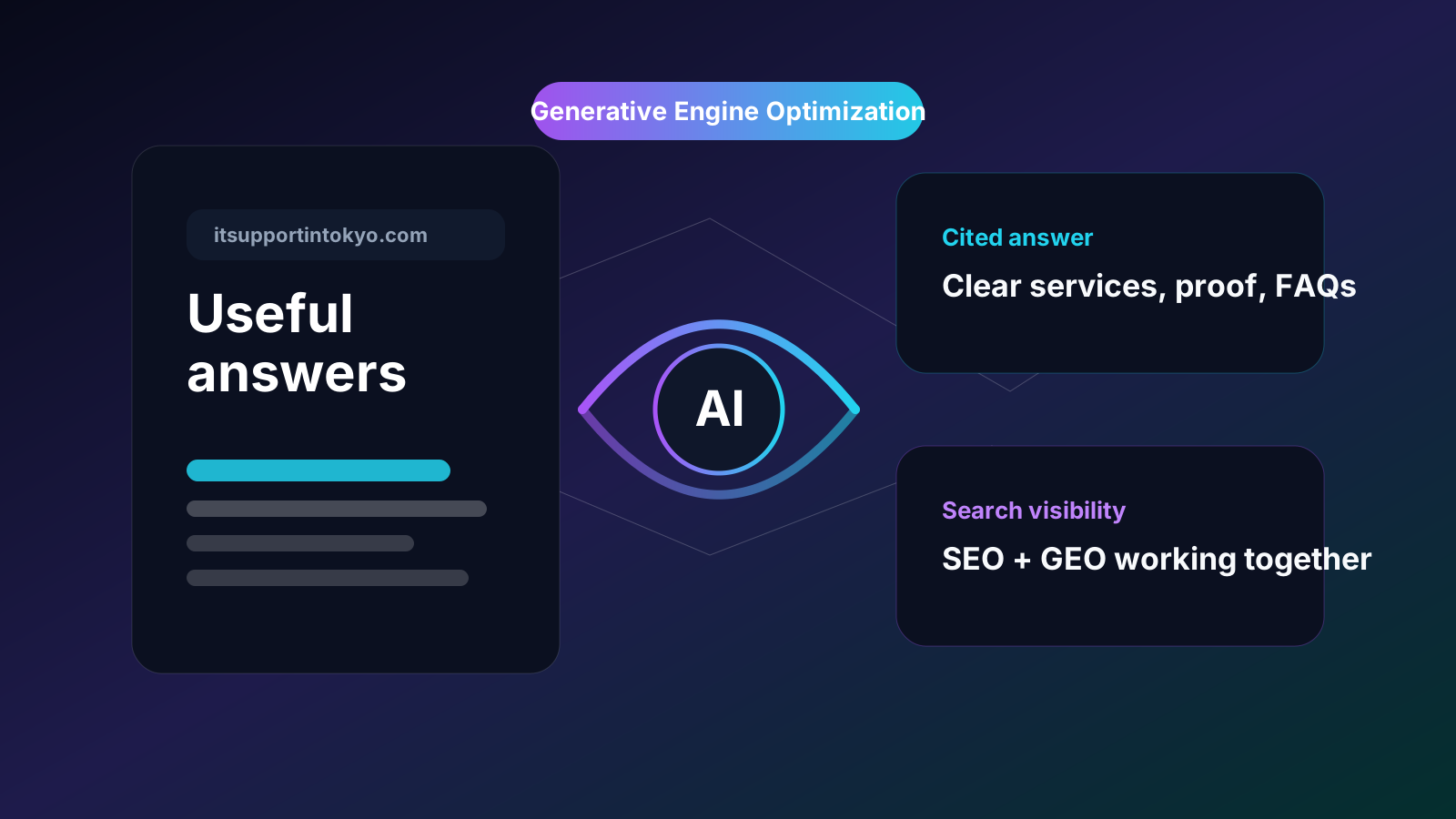
People still use Google, but they also ask ChatGPT, Gemini, Perplexity, Claude, Copilot, and other AI assistants for recommendations. That changes how businesses should think about visibility. Traditional SEO helps pages rank. Generative Engine Optimization, or GEO, helps your information become understandable, trustworthy, and citeable by AI systems.
GEO does not replace SEO. It builds on the same foundation: useful pages, technical clarity, authority, speed, and trust. The difference is that AI systems often summarize answers instead of simply listing links.
Write Pages That Answer Real Questions
AI search tools are more likely to use content that gives clear answers. Service pages should explain who the service is for, what problem it solves, what is included, how pricing usually works, what the timeline looks like, and what the next step is.
Instead of writing vague marketing copy, write sections that could directly answer a customer question. For example: How much does a business website cost in Tokyo? Do you build bilingual websites? Can AI chatbots connect to existing systems? Do you support Japanese and English?
Make Evidence Easy to Find
AI systems look for consistent signals. Add case studies, named services, examples, before-and-after explanations, FAQs, author information, company details, and contact information. If your site claims expertise in web development, AI integration, cloud, or SEO, support that claim with specific pages and examples.
Thin pages with broad claims are weak for both SEO and GEO. Specific pages with proof are stronger.
Use Structured Data and Clean HTML
Schema markup helps search engines understand your content. Organization, WebSite, Article, FAQPage, BreadcrumbList, LocalBusiness, and Service schema can all be useful when implemented honestly. Headings should follow a logical structure, images should have alt text, and internal links should connect related topics.
Clean structure helps both crawlers and AI retrieval systems understand what each page is about.
Keep Content Fresh and Consistent
AI search favors information that appears reliable across pages. Update service pages when offerings change. Keep phone numbers, addresses, pricing notes, service areas, and company descriptions consistent. If you publish blog content, link it back to relevant service pages and keep older articles accurate.
For fast-changing topics like AI tools, mention dates and update pages when the market changes. Outdated pages can lose trust quickly.
Measure GEO Alongside SEO
GEO measurement is still developing. Track organic search traffic, referral traffic from AI answer engines when available, branded searches, contact form language, and questions prospects mention during calls. Ask leads how they found you. Many AI-driven visits may appear as direct traffic or brand searches after the user sees your name in an answer.
The practical goal is simple: make your expertise easy for both humans and AI systems to understand.
If you want your business to be ready for AI search, review our SEO and digital marketing services or ask for a GEO audit.
生成AI検索に表示されるためのGEO対策:AI時代の検索最適化
GEOは、AI検索に理解され引用されやすいサイトを作るための考え方です。構造化ページ、明確な回答、実績、schemaの活用を解説します。
検索はGoogleの検索結果ページだけではなくなっています
人々は今でもGoogleを使います。しかし同時に、ChatGPT、Gemini、Perplexity、Claude、CopilotなどのAIアシスタントにも質問しています。これは企業の検索対策の考え方を変えます。従来のSEOはページを検索結果に表示させるためのものです。GEO、つまりGenerative Engine Optimizationは、AIシステムに理解され、信頼され、引用されやすい情報にするための最適化です。
GEOはSEOの代わりではありません。役立つページ、技術的な明確さ、権威性、表示速度、信頼性というSEOの基盤の上に成り立ちます。違いは、AIシステムがリンク一覧ではなく回答を要約することが多い点です。
実際の質問に答えるページを書く
AI検索ツールは、明確に答えているコンテンツを利用しやすくなります。サービスページでは、そのサービスが誰向けか、どんな問題を解決するか、何が含まれるか、料金の考え方、期間、次のステップを説明しましょう。
抽象的な宣伝文ではなく、お客様の質問にそのまま答えられるセクションを作ります。たとえば、東京でビジネスサイトを作る費用はいくらか。バイリンガルサイトに対応できるか。AIチャットボットを既存システムに接続できるか。日本語と英語の両方で対応できるか、などです。
根拠を見つけやすくする
AIシステムは一貫した信号を見ています。事例、具体的なサービス名、制作例、改善前後の説明、FAQ、著者情報、会社情報、問い合わせ情報を追加しましょう。Web開発、AI統合、クラウド、SEOの専門性を伝えるなら、それを支える具体的なページと実績が必要です。
広い主張だけの薄いページは、SEOにもGEOにも弱いです。根拠のある具体的なページの方が強くなります。
構造化データときれいなHTMLを使う
schemaマークアップは検索エンジンがコンテンツを理解する助けになります。Organization、WebSite、Article、FAQPage、BreadcrumbList、LocalBusiness、Service schemaなどは、正しく使えば有効です。見出しは論理的に並べ、画像にはaltテキストを入れ、関連するページ同士を内部リンクでつなぎましょう。
きれいな構造は、クローラーだけでなくAIの情報取得システムにもページ内容を伝えやすくします。
情報を新しく一貫させる
AI検索では、信頼できる情報が重要です。サービス内容が変わったらページを更新しましょう。電話番号、住所、料金の説明、対応エリア、会社説明はサイト全体で一貫させます。ブログ記事を公開する場合は、関連するサービスページへリンクし、古い記事も必要に応じて更新します。
AIツールのように変化が速いテーマでは、日付を明記し、市場が変わったら内容を更新することが大切です。古い情報はすぐに信頼を失います。
SEOと一緒にGEOを測定する
GEOの測定方法はまだ発展途上です。自然検索流入、AI回答エンジンからの参照流入、ブランド名検索、問い合わせフォームの言語、商談時に見込み客が話す検索経路を確認しましょう。AIの回答で社名を見た後に直接アクセスするケースもあるため、direct trafficやブランド検索として現れることもあります。
実務上の目標はシンプルです。人にもAIにも、自社の専門性を理解しやすくすることです。
AI検索に対応したサイトにしたい場合は、SEO・デジタルマーケティングサービスをご覧いただくか、GEO監査についてご相談ください。